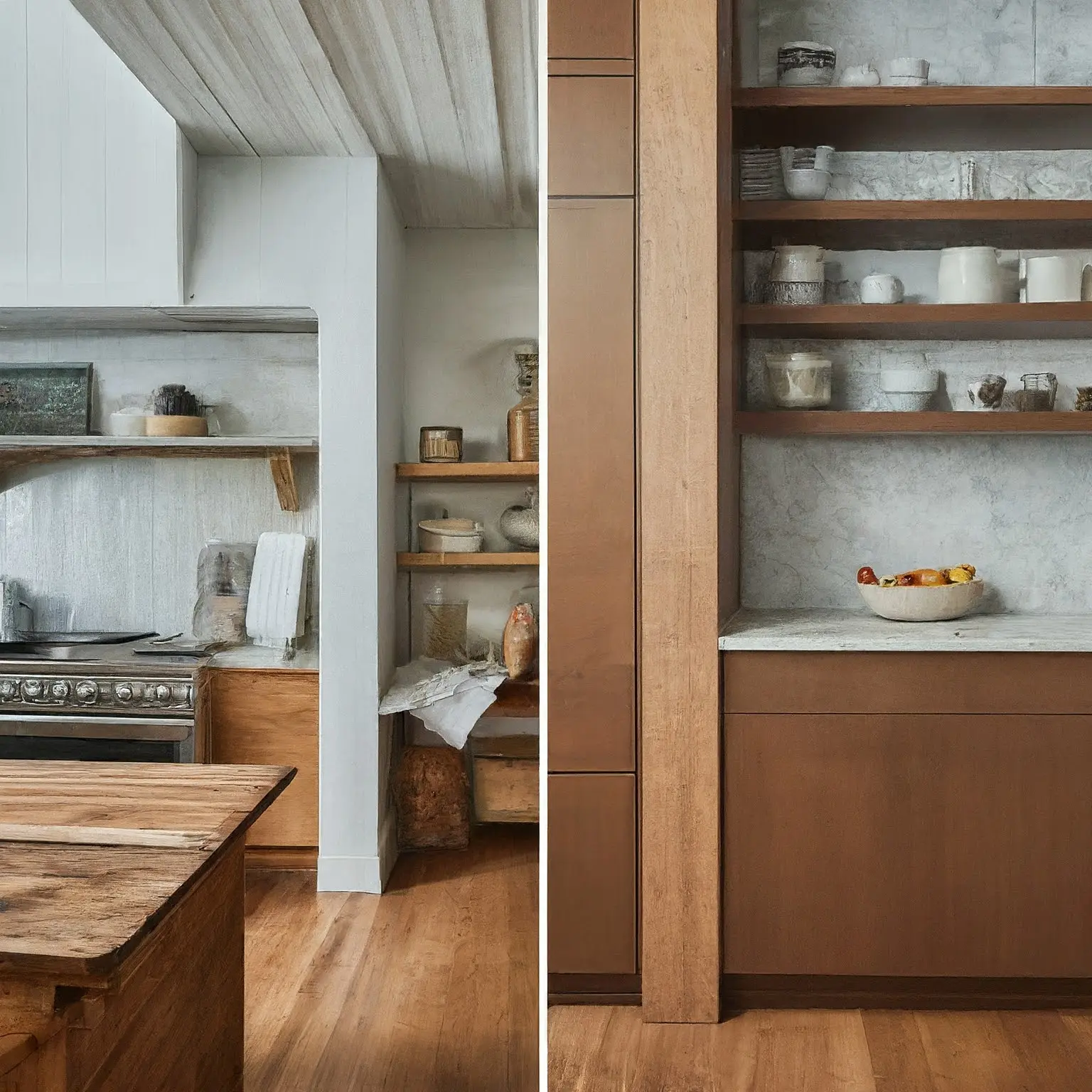
HPL (High Pressure Laminate) is the most common cabinet-door finish used in Egyptian aluminum kitchens today. The laminate sheet itself typically runs from 0.6mm to 1.2mm over an MDF or particleboard core, with a total door thickness of around 16 or 18mm. Under normal use and correct installation, its expected lifespan is roughly 10 to 15 years, and it works best for cabinet doors and units that need to handle daily scratches at a reasonable price without repainting or heavy upkeep.
What Is HPL, and Why Has It Become So Common in Aluminum Kitchens?
HPL stands for High Pressure Laminate: layers of resin-impregnated kraft paper pressed under high heat and pressure, topped with a decorative layer that carries the color or wood pattern, then a clear protective overlay that shields the print from fading and scratches. The result is a hard, scratch-resistant surface bonded onto an MDF or particleboard core to form the complete cabinet door. It's popular in aluminum kitchens because it gives a wood-look or solid-color finish close to acrylic or lacquer, but at a lower price and with simpler upkeep — no repainting or periodic polishing like painted surfaces need. The same material also shows up on bathroom units and some furniture pieces, but in Egypt it's used most on upper and lower kitchen cabinet doors.
If you'd like to see HPL samples and the color range in person before deciding, visit the showroom in Sadat City and compare the samples yourself.
What HPL Thicknesses Are Available, and Which One Suits Your Kitchen?
The HPL sheet itself comes in different thicknesses depending on the use, and as covered in Standard Kitchen Measurements: Heights, Depths, Distances, overall unit sizing depends on your kitchen's layout and where each piece sits. A good workshop doesn't rely on sheet thickness alone — the core material and the adhesive used matter just as much, since together they determine the finished door's rigidity, not thickness on its own. The table below summarizes the common thicknesses on the Egyptian market:
| Thickness type | Best use | Notes |
|---|---|---|
| Thin sheets (0.6–0.8mm) | Lining interior surfaces and drawers | Bonded onto another core, not self-supporting |
| Standard sheets (0.8–1.2mm) | Upper and lower kitchen cabinet doors | The most common choice for aluminum kitchen doors |
| Compact HPL (2mm and up) | Open shelving and higher-moisture spots | Self-supporting, but costs more |
| Full door thickness (16–18mm) | The standard for kitchen units in Egypt | HPL bonded on both faces over an MDF core |
How Long Does HPL Actually Last? What Extends It and What Shortens It
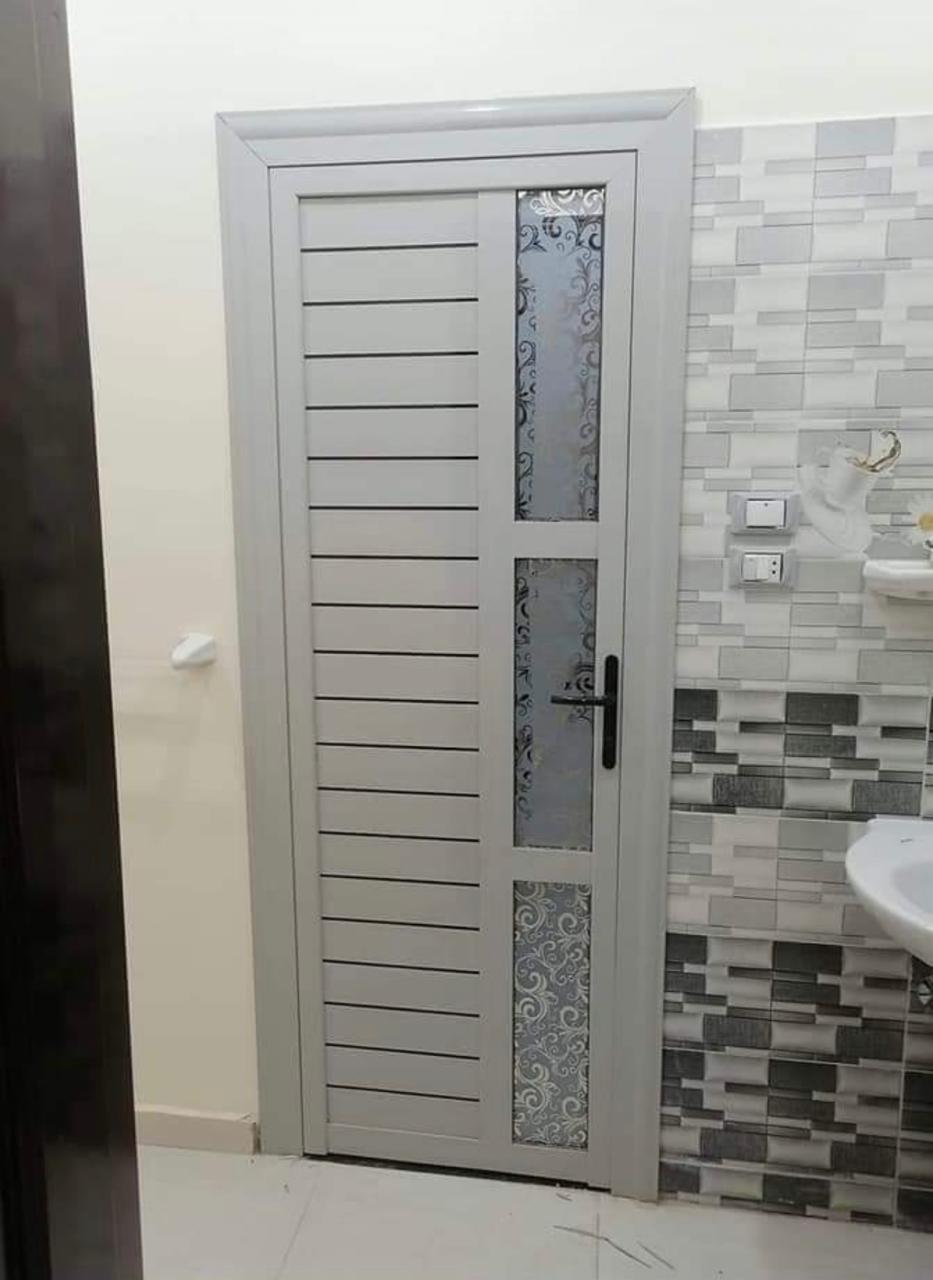
There's no fixed number for how long HPL lasts, because it depends on the quality of the bonding and installation, not just the material itself. Under normal use and correct installation, it typically reaches a lifespan of around 10 to 15 years without warping or delaminating. As covered in The Golden Triangle in the Kitchen: Sink, Stove & Fridge, the area around the sink and stove sees the most moisture and heat, which directly affects the lifespan of nearby HPL doors if the edges aren't sealed properly. The factors that extend its life most are: the quality of the MDF core itself, the adhesive used in bonding, and sealing the edges with a proper PVC edge band that keeps moisture out. What shortens it is constant exposure to direct steam, repeated contact with very hot surfaces, and open edges that let moisture into the core and cause it to swell over time. Units farther from the sink and stove, like upper cabinets away from the cooking zone, tend to last longer simply because they see less direct moisture and heat.
HPL vs. Acrylic and Lacquer: The Difference in Use and Price
Acrylic gives a high-gloss, vivid finish, but it shows fingerprints and light scratches more easily than HPL, and it usually costs more. Lacquer (paint over MDF) offers more flexibility in matte and custom colors, but its edges and corners chip and scratch more easily with daily use, and it needs more careful cleaning so the paint doesn't get scuffed. There's also melamine, a cheaper finish than HPL, but its scratch and moisture resistance is usually lower, so it tends to be used on pieces that see less direct daily contact. HPL sits in the middle: less glossy than acrylic, but tougher against daily scratches than most lacquer and melamine finishes, and its price is usually closer to the economical end compared with acrylic. You can browse the full range of colors and materials on the products page and compare before choosing the right material for your kitchen.
How to Keep Your HPL Kitchen Looking Good From Day One
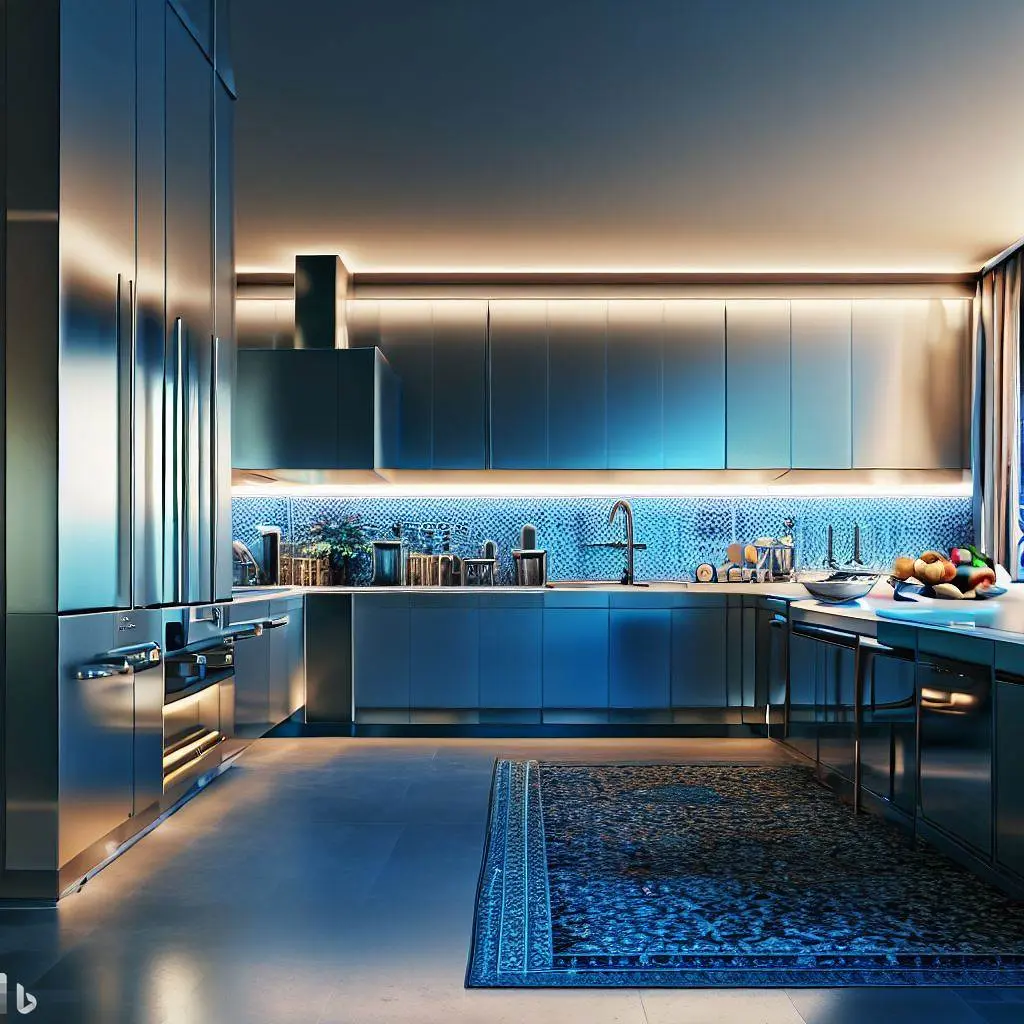
- Choose a good, durable PVC edge band that matches the material's color, since the edges are the weakest point against moisture and the first place any installation flaw shows up.
- Don't let hot pots or pans touch the door surface directly for long periods, and use a trivet under anything hot near the units.
- Wipe up any water or moisture near the sink right away, especially around the edges of the lower doors, which take the most repeated water contact.
- Use a soft cloth and a regular cleaner for daily cleaning, and avoid rough scouring pads or abrasive cleaning products that can scratch the top layer.
- Check the hinges and door edges periodically, especially on the upper units covered in Upper Kitchen Cabinet Height: Find Your Right Size, so you catch any swelling or separation early before it grows into a bigger problem.
Pros and Cons of HPL in Egyptian Kitchens
The main advantages of HPL in aluminum kitchens:
- Good resistance to scratches and light impacts from heavy daily use.
- A wide range of colors and wood-look finishes without a big price gap between grades.
- Easy daily cleaning without needing special products or tools.
- A more economical price than acrylic, with rigidity that comes close to it in most uses.
On the other hand, its main drawbacks:
- Open or poorly sealed edges become a weak point against moisture over the long run.
- Deep scratches can't be buffed out like some other materials, since the pattern is printed rather than a solid color running through the material like acrylic.
- Less gloss than acrylic if you're after a very high-shine look throughout the kitchen.
Frequently Asked Questions About HPL Material for Kitchens
Is HPL material suitable for kitchens in Egypt?
Yes, generally; it resists everyday scratches and normal moisture, cleans easily, and is priced within reach of most budgets. But installation needs to be done correctly, with edges properly sealed so it can handle summer heat and kitchen humidity, especially in the areas closest to the sink and stove.
What's the difference between HPL and acrylic in a kitchen?
HPL is cheaper, less glossy, and more scratch-resistant than most acrylic types, while acrylic gives a high-gloss finish and vivid colors but shows fingerprints and light scratches more easily and usually costs noticeably more than HPL.
What's the right thickness for an HPL kitchen door?
The total door thickness is usually between 16 and 18mm, including the MDF core with HPL bonded on both faces. That's the standard thickness that gives the door enough rigidity without adding excess weight on the hinges or affecting how it opens and closes.
Can a scratch in HPL material be repaired?
Light surface scratches can be reduced with gentle polishing using a soft cloth, but a deep scratch stays visible because the pattern is printed rather than a solid color running through the material like acrylic. The usual fix is replacing the damaged door face rather than attempting a partial repair.
Does HPL hold up to daily cooking steam and heat?
Yes, it handles normal daily heat and steam well, but you should avoid letting surfaces stay in contact with direct heat sources, like hot pots, for long periods so the adhesive bonding the layer to the core isn't affected over time.
HPL is a practical, cost-effective choice for most aluminum kitchens when installed correctly, and Kitchen Munir has worked with it drawing on 30 years of experience fitting and installing kitchens in Sadat City. If you want to make sure it's the right choice for your kitchen, contact us through our contact page or visit the showroom in Sadat City at 01005778326.