
The core difference between acrylic types for kitchens is that German acrylic is thicker and more resistant to scratches and fading, Turkish acrylic sits in the middle for quality and price and is the most common choice in the Egyptian market, and Chinese acrylic is the cheapest option but has a thinner gloss layer and a shorter lifespan when exposed to high heat or humidity. Acrylic kitchen panel prices in Egypt run roughly from 3,500 to 9,000 EGP per running meter depending on origin, thickness, and finish, separate from the cabinet structure itself. At Kitchen Munir we have worked with these materials for 30 years in Sadat City, and we will walk you through the detailed differences so you can choose correctly.
What Is Acrylic, Exactly?
Acrylic in kitchens is not a clear acrylic sheet like the ones used for partitions — it is a finish material: an MDF or particleboard panel coated with a glossy or matte acrylic layer of a certain thickness, bonded to the cabinet face with heat or industrial adhesive. The high gloss and light reflection are what give a kitchen its modern look, which is why this material is so common in aluminum and wood kitchens alike. The difference between one type and another is not just the country of origin — it is the thickness of the acrylic layer itself, the type of adhesive, and its resistance to heat and scratching, and that is what determines the price and lifespan.
Want to see the difference with your own eyes? Visit the showroom in Sadat City and check the quality of each type yourself before deciding.
The Difference Between Chinese, Turkish, and German Acrylic
Before getting into each type, keep in mind that the label refers to the origin of the raw material (the panels and resins), not necessarily where the final product is manufactured. Many companies bring in Turkish or German-origin material and manufacture it locally in Egypt. What matters is asking for the manufacturer's or brand's name, not just the country.
Chinese Acrylic
Chinese acrylic is the lowest-priced option on the market, mainly because the gloss layer is relatively thinner and the adhesive quality degrades faster under high heat, such as near an oven or a sun-facing window. It suits a limited budget or a kitchen that is not exposed to harsh conditions, but its resistance to scratching and fading over time is weaker than the other two types.
Turkish Acrylic
Turkish acrylic is currently the most requested type in the Egyptian market because it strikes a good balance between price and quality. Its gloss layer is thicker than the Chinese type, its resistance to moderate humidity and heat is better, and it comes in a wide range of colors and gloss levels. If you want a kitchen that lasts a long time without paying the full German price, this is the balanced choice.
German Acrylic
German acrylic is the highest-priced option, featuring a thicker gloss layer and stronger resistance to scratching and fading under continuous sun or steam exposure, which makes it the preferred choice for kitchens that see intensive daily use. The quality difference becomes clearer after years of use, not on day one, which is why many people wonder why they should pay the price difference when they do not see an obvious difference at the time of purchase.
Quick Comparison of Acrylic Types by Thickness and Price
This table sums up the practical differences between the three types so you can compare at a glance before asking your carpenter or supplier.
| Type | Approximate Thickness | Scratch & Fade Resistance | Expected Lifespan | Approximate Price per Running Meter |
|---|---|---|---|---|
| Chinese | Relatively thin | Moderate to weak | Shorter, especially with heat | 3,500–5,000 EGP |
| Turkish | Medium to thick | Good | Medium to long | 5,000–7,000 EGP |
| German | Thick | High | Long | 7,000–9,000 EGP |
How to Verify the Acrylic Type Before You Buy
No one can tell the three types apart with the naked eye at first glance, but a few simple steps can help you confirm before you sign the contract:
- Ask the supplier for the manufacturer's or brand's name printed on the back of the panel, not just the country of origin mentioned verbally.
- Compare the thickness of the gloss layer between two samples side by side under strong light — the difference in depth and shine is visible to the eye.
- Try lightly scratching the surface with your fingernail on an unseen edge of the sample — the stronger material will not mark easily.
- Ask about the warranty written on the material itself, not just the general kitchen manufacturing warranty.
- If possible, see a real kitchen finished with the same material after some time in use, not just a fresh catalog sample.
Pros, Cons, and How to Maintain Acrylic
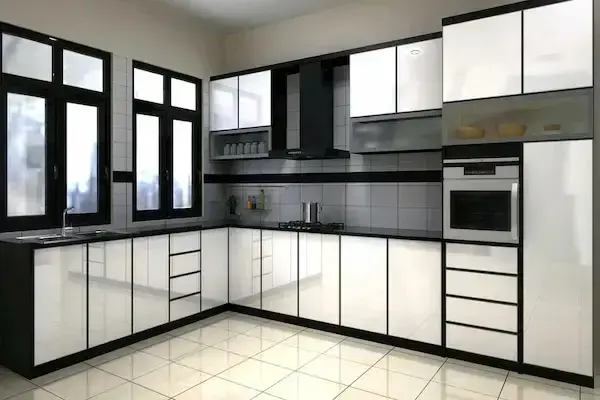
Acrylic's advantages include easy cleaning, a wide range of colors and gloss levels, and light reflection that makes small kitchens feel bigger. If you are planning your kitchen layout around the Golden Triangle in the Kitchen: Sink, Stove & Fridge, keep in mind that glossy acrylic shows fingerprints quickly around the sink and stove area more than anywhere else. The thickness of the acrylic layer itself does not significantly affect Standard Kitchen Measurements: Heights, Depths, Distances, but it should be factored in when calculating the final door thickness. Acrylic works well on every kitchen unit without exception, including upper cabinets, and you can check Upper Kitchen Cabinet Height: Find Your Right Size to get the height right before choosing the finish.
Daily cleaning is simple: a soft cloth dampened with water and mild soap is enough — avoid any abrasive materials or rough sponges so you do not scratch the surface. For a tough stain like hardened oil, let it soak for a minute with warm water before wiping, and keep acrylic away from direct contact with hot pots.
Acrylic vs. Other Materials Like HPL and Lacquer
If you are comparing acrylic to other materials like HPL or lacquer, the main difference is in gloss level and price: acrylic gives you the highest gloss you can get, lacquer looks similar but is manufactured differently, and HPL is generally more scratch-resistant but has less shine. If your goal is a glossy modern look that reflects light in a limited-space kitchen, acrylic is the best fit. If your goal is higher resistance for heavy daily use without worrying much about scratches, compare it with HPL first. You can see real examples of acrylic-finish kitchens in different colors and gloss levels on our products page.
Frequently Asked Questions About Acrylic Types for Kitchens
Is Turkish or German acrylic better for a sun-exposed kitchen?
For kitchens that get direct sun or sit near a large window, German acrylic is the better choice because its fade resistance is higher under continuous light and heat exposure. Turkish acrylic works fine for normal use, but if the sun is strong for long hours daily, the quality gap between the two becomes clear after a year or two of use.
Can I tell the acrylic type without opening a catalog?
Not without the supplier's help, since the difference is not always obvious to the naked eye on day one. The best approach is to ask for the manufacturer's or brand's name, compare the thickness of the gloss layer between two samples side by side under strong light, and confirm the warranty is written on the material itself.
Does acrylic scratch easily?
Acrylic in general is more scratch-sensitive than materials like HPL, and this varies by type: German and good-quality Turkish acrylic resist everyday scratches better than Chinese acrylic. Avoiding rough sponges and knives directly on the surface noticeably extends the gloss's lifespan.
Does the acrylic price include the full kitchen installation?
No, the acrylic price is usually calculated per meter of the finish panel alone, and that is one part of the total kitchen cost, which also includes the structure, accessories, and installation. Ask your supplier to break the price down item by item so you know exactly where your money is going.
What is the expected lifespan of acrylic in a kitchen?
The lifespan varies by type, usage patterns, and exposure to heat and humidity, and higher-quality material keeps its shine noticeably longer. Without pinning down a fixed number, regular maintenance and proper cleaning are the biggest factor in extending the life of any acrylic type.
Prices mentioned in this article change with the market and supplier, and were last checked in August 2026.
Want to see the difference for yourself and make the right call for your kitchen? Visit the showroom in Sadat City and book a free site visit, call us at 01005778326, or visit our contact page.