Ultimate Guide to Kitchen Renovation: Tips, Costs & Design Ideas (2025)
A kitchen renovation can completely transform your home, improve functionality, and increase property value. Whether you’re upgrading outdated fixtures or dreaming of a gourmet chef’s kitchen, planning a successful renovation involves careful budgeting, smart design choices, and the right professionals.
In this comprehensive guide, we’ll cover everything you need to know about kitchen renovations in 2025, including design trends, costs, planning tips, and expert advice to help you create the kitchen of your dreams.
Why Renovate Your Kitchen?
The kitchen is the heart of the home. A renovation not only enhances aesthetics but also improves efficiency and lifestyle. Here are some common reasons homeowners choose to renovate:
-
Outdated appliances and finishes
-
Poor layout or limited storage
-
Increase home resale value
-
Upgrade to energy-efficient solutions
-
Personalize the space for entertaining or family use
Step-by-Step Kitchen Renovation Process
1. Planning and Budgeting
Start by defining your goals. Are you doing a full gut renovation or a minor remodel? This will help you set a realistic kitchen renovation budget, which typically ranges between $15,000 to $50,000+, depending on size, materials, and scope.
Tip: Allocate your budget roughly as follows:
-
30% Cabinets
-
20% Labor
-
15% Appliances
-
10% Countertops
-
10% Flooring
-
5% Lighting
-
10% Other/Miscellaneous
2. Design and Layout
Work with a kitchen designer or architect to plan your layout. Consider the work triangle – the distance between the sink, stove, and refrigerator – to optimize functionality.
Popular layouts:
-
L-shaped kitchen
-
U-shaped kitchen
-
Galley kitchen
-
Open concept kitchen
Don’t forget:
-
Add sufficient storage with pull-out drawers, pantry units, and overhead cabinets.
-
Plan for lighting – ambient, task, and accent.
3. Choosing Materials and Finishes
Select high-quality materials that balance durability and aesthetics. Here are top choices for 2025:
-
Cabinets: Custom or semi-custom plywood cabinets with soft-close hinges
-
Countertops: Quartz, granite, or porcelain surfaces
-
Backsplashes: Subway tiles, mosaic, or marble
-
Flooring: Engineered hardwood, luxury vinyl, or tile
4. Hiring Contractors
Hire licensed professionals with good references. Ask for a detailed contract that outlines scope, timeline, and payment schedules. You may need:
-
General contractor
-
Plumber
-
Electrician
-
Cabinet installer
-
Tiler or flooring expert
Tip: Always check for permits and local building codes.
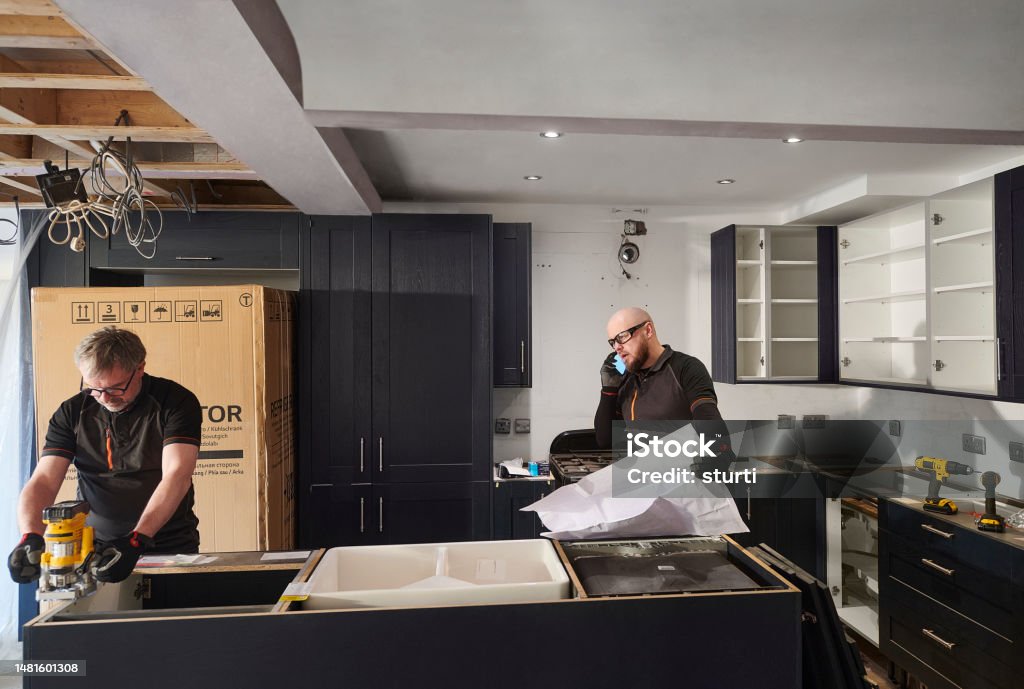
5. Demolition and Construction
Once you’ve finalized designs and materials, it’s time for demolition. This stage can be messy, so prepare your home accordingly.