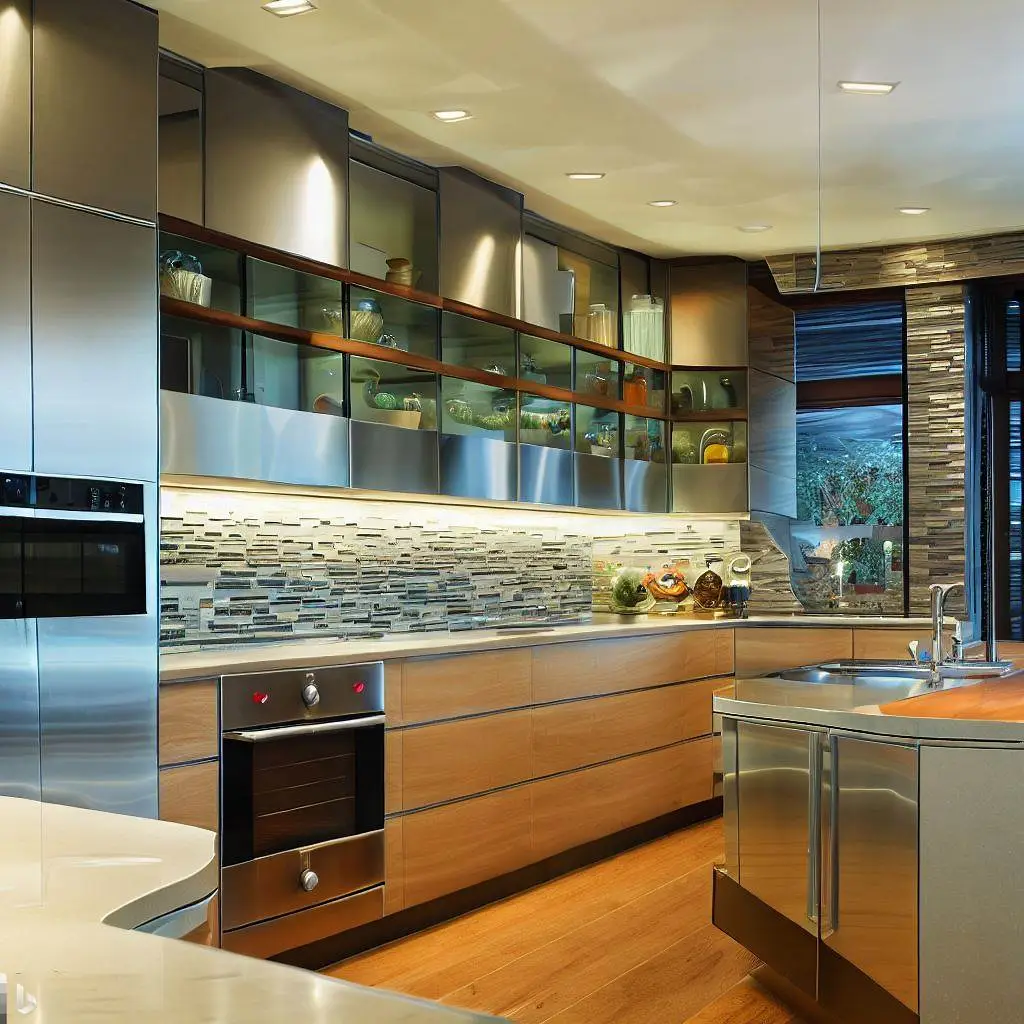
Kitchen price isn't set by size alone. What actually raises the price is the profile material, the hinges and runners, the countertop type, and how the cabinet body is built. Paint color, handle shape, and small decorative details barely move the price compared to material and internal fittings. If your budget is limited, put your money into hydraulic hinges, good countertops, and durable finishing, not into shape details that will change on their own in a year or two. This article walks through every factor that genuinely affects kitchen price, in order, and tells you where you can actually save without hurting quality or lifespan.
Core Material: Aluminum Profile and the Cabinet Body
The profile and door material is the single biggest factor in kitchen price. The aluminum profile can be local or imported, and each type has a different thickness and finish quality, which affects both price and how long the kitchen lasts. The same applies to the cabinet body board, whether HDF, MDF, or standard pressed wood — thickness and quality differences affect durability against moisture and daily use, especially near a water or steam source. A kitchen built with thicker, higher-quality material costs more upfront but saves you maintenance or replacement cost later. If you want to see the material and finish options we offer, visit our product page and compare the difference yourself before deciding.
If you'd like to confirm these factors for your own kitchen and get a real price for your exact size, book a free site visit (WhatsApp) and we'll assess your kitchen at home with no obligation.
Hinges and Runners: Small Parts, Big Price Difference
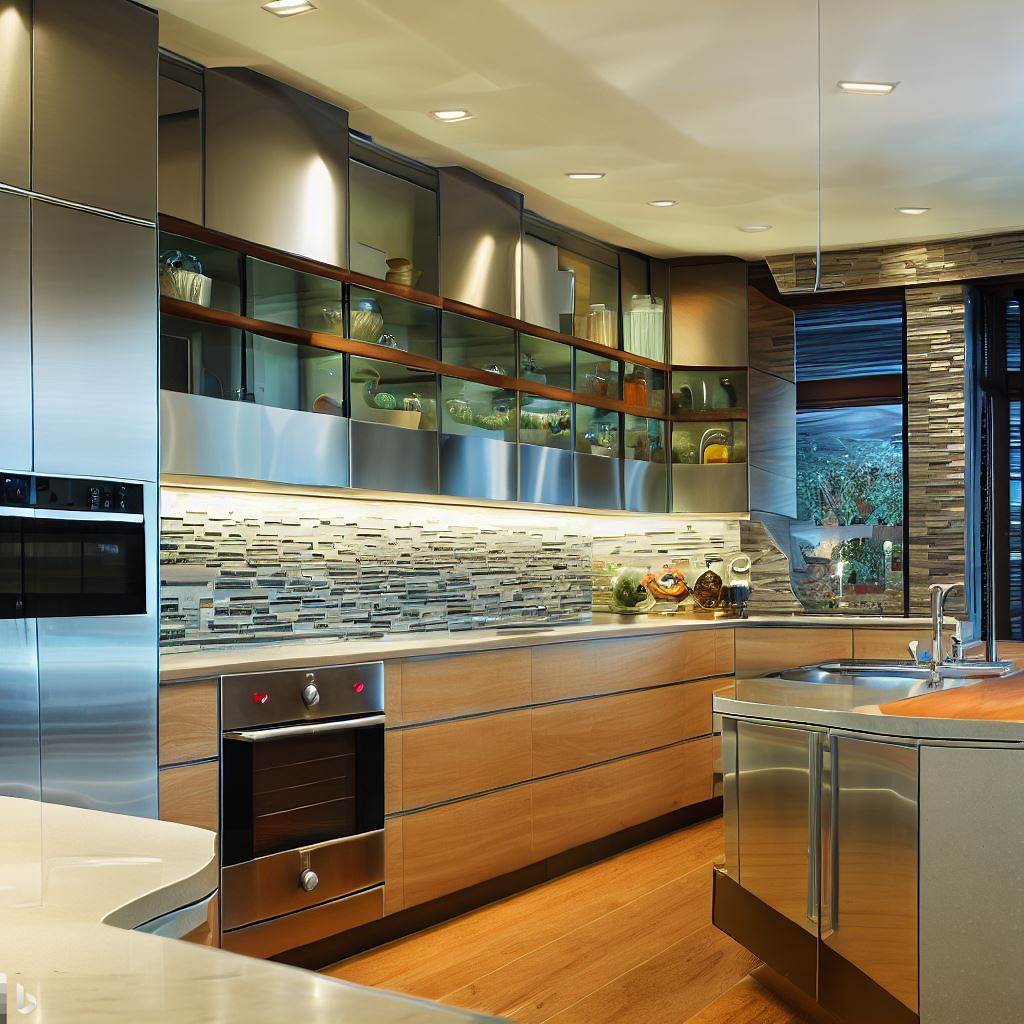
Hinges and drawer runners aren't a small detail — they're one of the biggest factors in both price and daily use over the long run. A hydraulic hinge that closes the door silently on its own costs more than a standard hinge, but it lasts longer and keeps working smoothly even with repeated daily opening and closing. The same goes for drawer runners: higher-quality runners handle more weight and glide smoothly for longer than economy runners, which tend to loosen or fail after a short time. Every extra drawer or door in the design adds more hinges and runners, and that's what raises the total price — not the door shape itself. For more detail on these differences within a mid-range budget, see our guide on 100,000 EGP Kitchen Budget: What to Expect.
Countertops: A Major Source of Price Difference
Countertops are one of the biggest sources of price difference between one kitchen and another. Natural stone comes in a wide price range depending on type and origin; granite is usually cheaper than imported natural marble and more scratch-resistant, while engineered quartz gives you consistent color and high stain resistance at a higher price than local granite. Countertop thickness matters too — a thicker slab needs more material, so it costs more. The important thing is choosing a type that suits how you actually use your kitchen, not just how it looks in photos, since some types need more care around heat or acidic liquids.
Kitchen Layout and Total Linear Meters
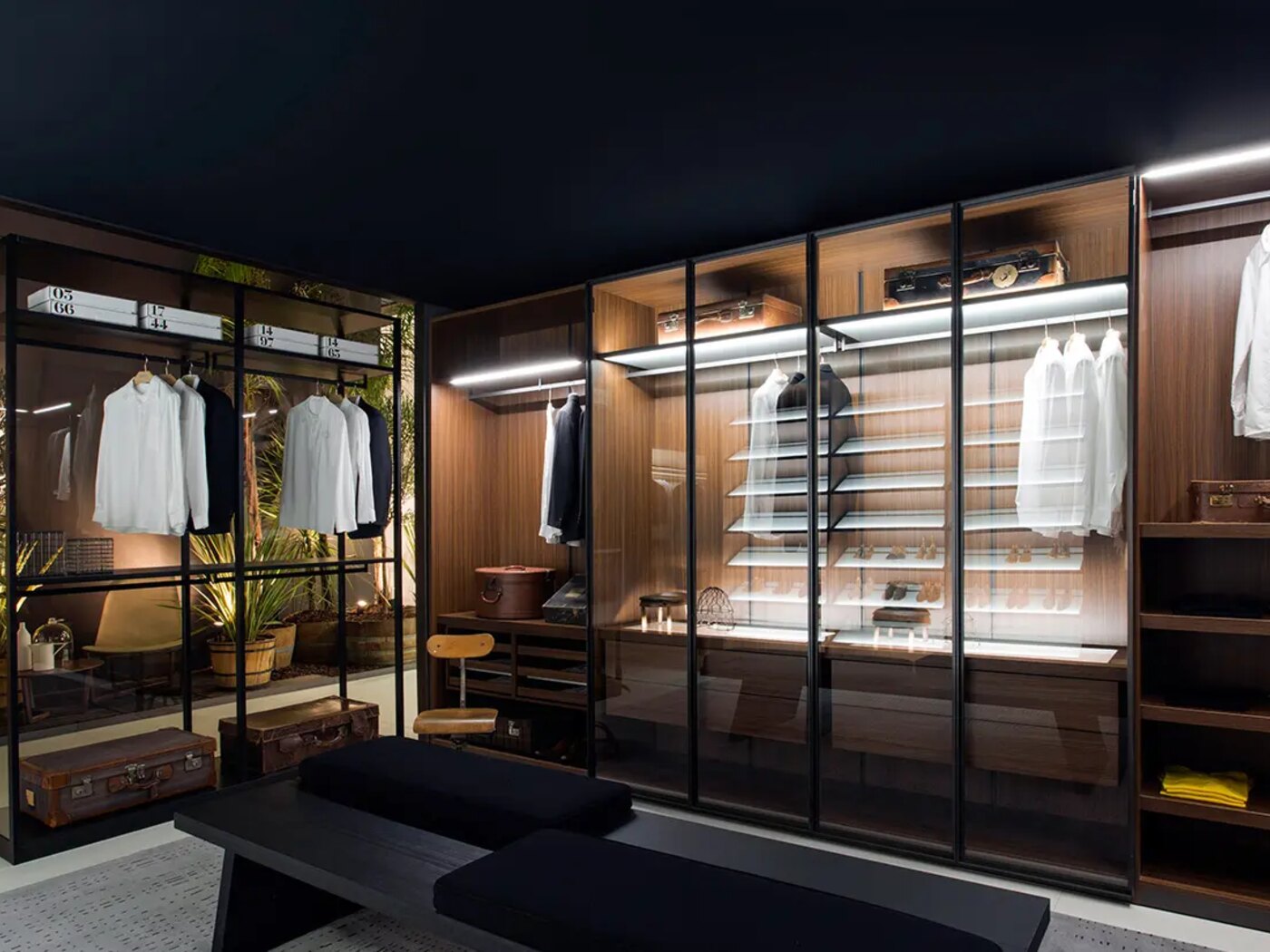
Kitchen shape and total linear meters determine the overall cost even when the price per meter stays the same. A single-line kitchen needs fewer units than an L-shaped, U-shaped, or island kitchen, so naturally the total price rises with more meters — not because the price per meter changed. If your space is small and your budget is tight, reducing the linear meters and focusing on the storage units you actually need is the more cost-effective approach, as we explain in 50,000 EGP Kitchen Budget: What Can You Actually Build?, which covers realistic limits for every budget.
Exterior Finish: Lacquer, Acrylic, or PVC
The exterior finish on the doors — lacquer, acrylic, or PVC foil — is one of the factors that makes a real difference in final price. Lacquer gives you a high-gloss, uniform color and a smooth surface, but it needs precise manufacturing, more coats of paint, and longer production time, so it usually costs more than acrylic or PVC. Acrylic comes close to lacquer's shine at a somewhat lower cost, making it a reasonable middle option if you want a good look without the highest price. PVC foil is the cheapest option and works well for tight budgets, though it's less scratch and heat resistant than lacquer. For more detail on lacquer cost specifically and whether it's worth the difference, read Lacquer Kitchen Price: Is 200,000 EGP Enough? to get a realistic picture of the numbers.
What Doesn't Actually Affect the Price
On the other hand, there are things people often assume change the price when in reality their effect is very small compared to the factors above. The door color itself — white, beige, or olive green — usually doesn't move the price noticeably as long as the finish type and material stay the same. Handle shape or style is also not a real price driver, and neither is a brand logo printed on a hardware piece. Even small decorative additions like basic internal lighting have a limited effect on total price compared to material, hinges, and countertops. It's better to direct your budget toward the elements that genuinely affect the kitchen's lifespan and daily use, not the shape details you can change comfortably later without major cost.
Comparison Table: How Each Factor Affects Price per Meter
For a quick overview before you decide, this table summarizes how each factor discussed above affects the price per linear meter in your kitchen.
| Factor | Effect on Price per Linear Meter | Note |
|---|---|---|
| Profile and cabinet body material | High impact | Local vs imported difference is clear in price and lifespan |
| Hinges and drawer runners | High impact | Hydraulic costs more but lasts longer than standard |
| Countertop type | High to medium impact | Granite is usually cheaper than imported quartz |
| Linear meters and layout | High impact on total | U-shape or island adds more meters |
| Exterior finish (lacquer, acrylic, or PVC) | Medium to high impact | Lacquer is the priciest of the three |
| Door color | Very low impact | Roughly the same price whatever color you choose |
| Handle or hardware style | Low impact | Very small difference in total cost |
Frequently Asked Questions About Kitchen Price Factors
Does kitchen color affect the price?
No, changing the color itself doesn't move the price much because the base cost comes from material and finish type, not color. Choosing a glossy lacquer in a specific color can push the price up slightly compared to standard matte colors, but the difference is small next to material differences.
What factor actually raises kitchen price the most?
The biggest factor is the material used in the cabinet body and doors, followed by hinges and runners, then countertop type. Together these three account for most of the linear meter price, and even a small change in any one of them shows up in the total.
Does adding more drawers raise the price?
Yes, every extra drawer adds cost because it needs its own runner, extra manufacturing, and more material for the front and body. The difference stays reasonable relative to the total price, and it's worth it if you genuinely need the extra storage, especially in smaller kitchens with limited storage space to begin with.
Does every kitchen material need to be imported to be good?
No, the whole kitchen doesn't need to be imported to be good. You can combine good local material for the body with imported hinges for the parts that move a lot, like drawers and doors, which gives you high quality at a better price than importing everything.
Is the price per linear meter a fixed number?
No, the price per linear meter changes depending on the material, hinges, finish, and countertop you choose, so no one can give you one fixed number without seeing your choices in detail. That's why it should always be stated as a range, and the exact same kitchen can change price if you switch just one material.
You can also reach us through our contact page if you have any questions before booking. Kitchen prices in this article are current as of August 2026.
If you're ready to start on your kitchen now, book a free site visit (WhatsApp) and we'll send someone to measure your space and give you a real price for your exact size, with no obligation. Call or WhatsApp us at 01005778326 today.