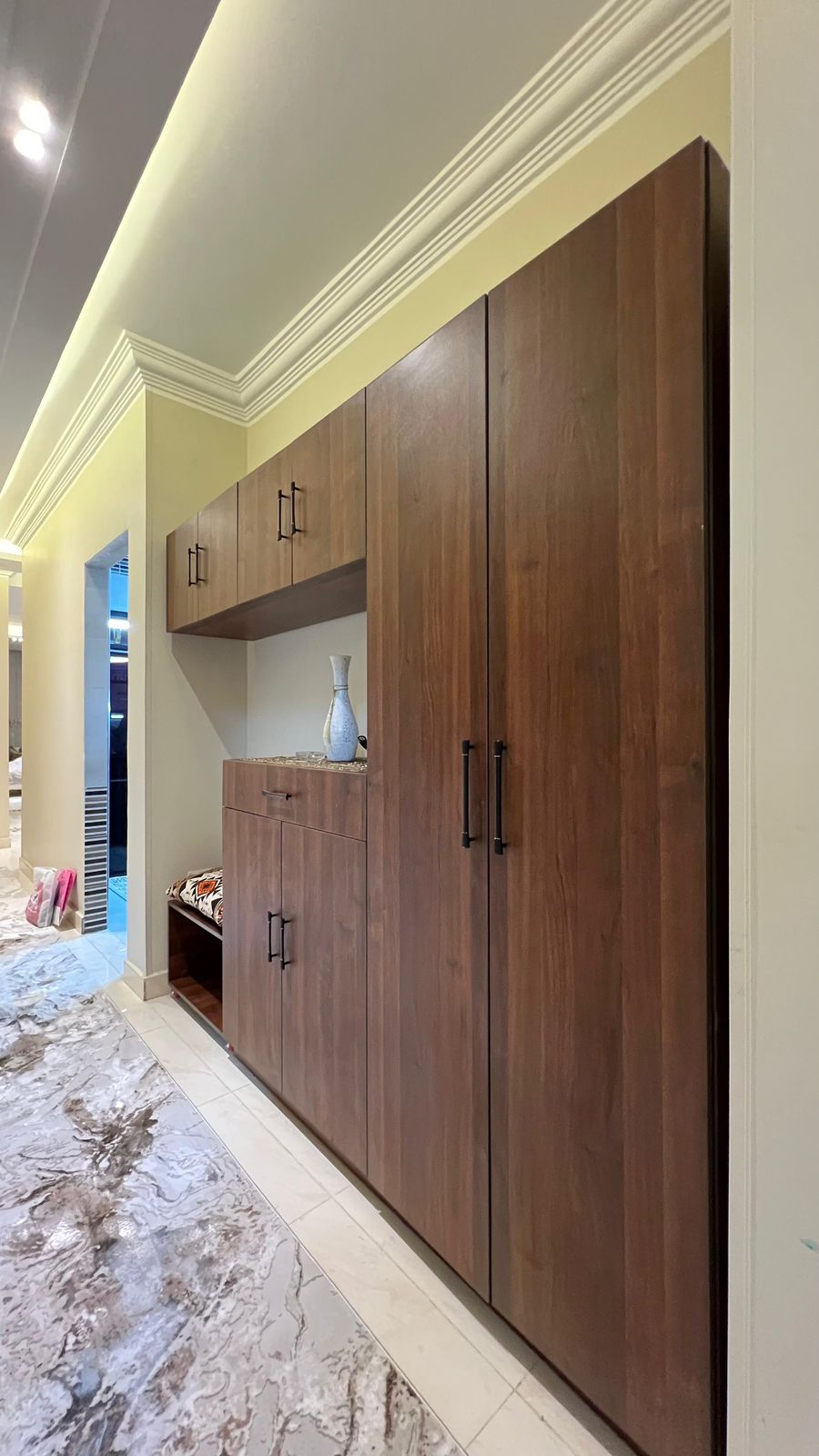
A kitchen warranty isn't one fixed number like "5 years" or "10 years." At most workshops in Egypt, the cabinet frame and paint carry the longer warranty — typically somewhere around 5 to 10 years depending on the aluminum grade and profile thickness — while hinges, drawers and moving hardware carry a shorter warranty because they work and wear every day. So the real question isn't "how many years?" on its own, it's "what does this warranty actually cover?" — and that's what this article breaks down.
If you want to know exactly what warranty your kitchen will carry before you sign anything, call us at 01005778326 and book a free site visit.
Why does warranty length differ from one workshop to another?
A warranty period isn't a random number — it reflects several real factors that differ between workshops. First is the aluminum itself: profile thickness and grade (first-grade versus a cheaper alternative) make a big difference to how long the kitchen lasts, and therefore how long a workshop can safely guarantee it. Second is the paint type: electrostatic coating resists peeling and corrosion far better than ordinary paint, so a workshop that uses it can offer a longer warranty on the finish. Third is the brand of hinges and slides used, since well-known brands simply outlast cheaper alternatives. And finally, there's a real gap between a workshop with years of proven work behind it — like Kitchen Munir, running for 30 years in Sadat City — and one that's just starting out and quoting a big warranty number with nothing solid backing it. That's why the number alone — 5 years or 10 years — isn't enough to judge by; what matters is who's standing behind it and whether they can actually honor it.
What's the real difference between a 5-year and a 10-year warranty?
The real difference isn't just the number of years, it's what that period actually applies to. The longer warranty (say, 10 years) is usually specific to the unit frame itself: manufacturing defects, welding issues, abnormal warping or corrosion in the profile. The shorter warranty is usually on the parts that move and work daily — hinges, slides and drawers — because by nature they're exposed to constant friction and simply have a shorter service life than the fixed frame. So a workshop telling you "10-year warranty" without clarifying it only applies to the frame might actually offer less protection than one telling you "5 years on everything," hardware included. The right question before you agree isn't "how many years?" — it's "what exactly does the 10 years cover, and what's excluded?"
What should a real warranty actually cover?
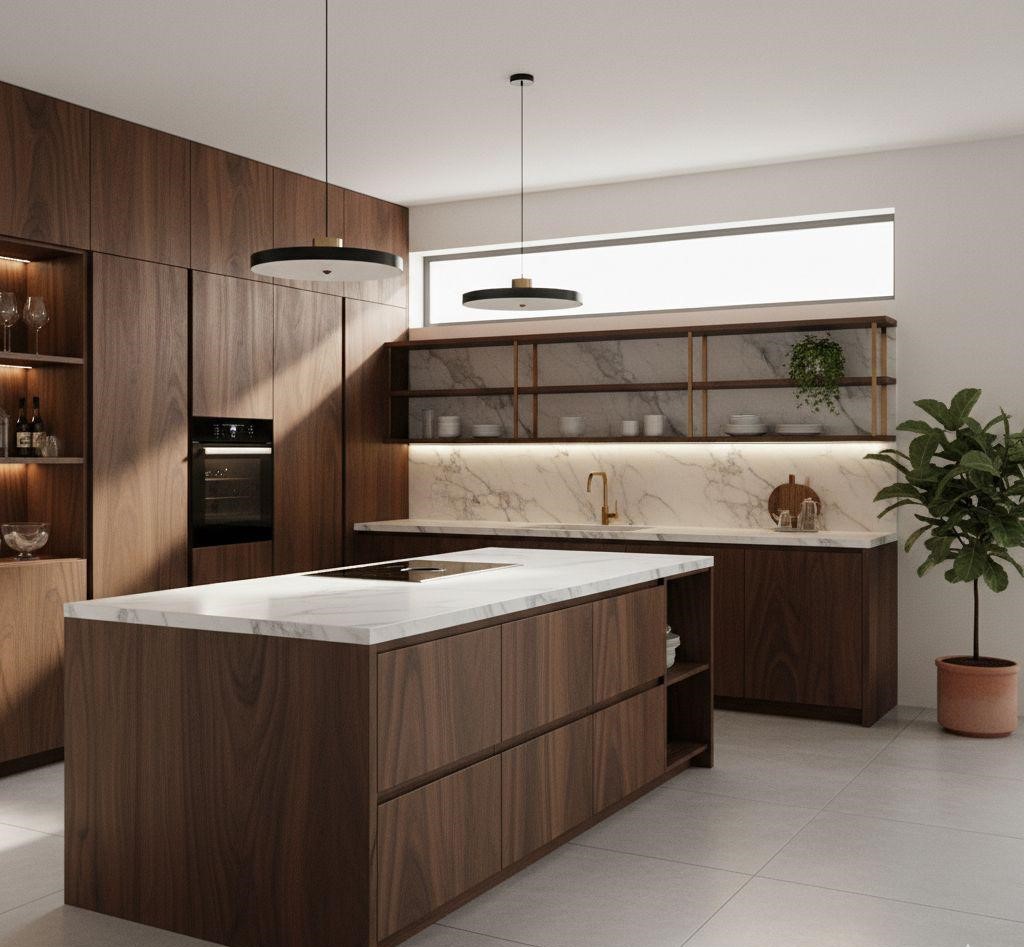
A serious warranty spells out specific items instead of just saying "guaranteed." The main things you should find in it: manufacturing defects in the unit frame itself, problems that show up in welding or assembly after installation, peeling or abnormal discoloration in the paint before its expected time, and hinge, slide and drawer failures within their agreed period. A good warranty also covers the installation itself: if a door doesn't close properly or a drawer sits unevenly from day one, that's a workmanship defect that should be fixed at no extra cost. You can browse the units and hardware we work with on our products page to get a sense of the materials before asking about the warranty on them.
What does a warranty usually not cover?
Like any warranty, this one has limits, and knowing them upfront saves an argument later. It typically doesn't cover misuse — pressing too hard on a drawer or slamming a door shut. It also doesn't cover damage from water or excess moisture, especially if the kitchen was exposed to a leak from a washing machine or tap. Any modification or repair carried out by a technician outside the original workshop usually voids the warranty on that part, since the workshop can't guarantee work it didn't do. Scratches or breakage from an accident or moving furniture are also excluded. And finally, neglecting basic cleaning — leaving water or oil stains for a long time — speeds up paint damage and falls under usage, not a manufacturing defect.
How do you make sure the warranty is written correctly in the contract?
A warranty that's only spoken has no real value — it has to be written down. First, make sure the contract has a clear clause defining the warranty period for each part separately (frame, paint, hardware), not one general number. Second, the warranty start date should be tied to the delivery or installation date, not the contract signing date. Third, the workshop's official name and contact details should be clear, so you know exactly who to call if something goes wrong. For the full list of clauses that should be written into a kitchen contract from the start, we have a complete guide on the essential clauses of a kitchen contract. And if you have any questions before signing, you can reach us through our contact page and we'll get back to you.
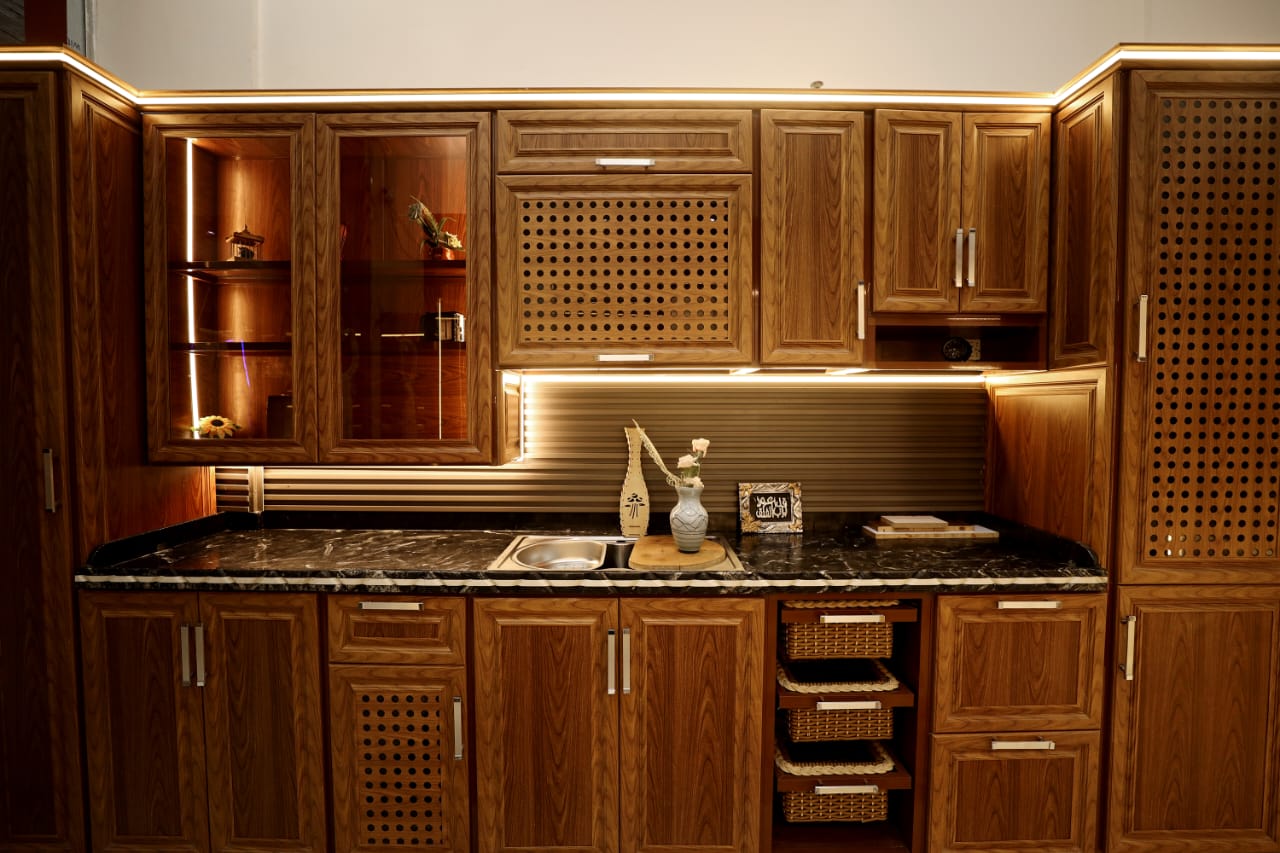
Table: typical warranty length for each part of the kitchen
To make the picture clearer, here's a table summarizing the typical warranty range for each part of a kitchen in the Egyptian market. These are general averages that vary by workshop depending on materials and agreement, not a fixed figure for every company.
| Kitchen part | Typical warranty range | Notes |
|---|---|---|
| Aluminum unit frame | 5 to 10 years | Depends on profile thickness and grade |
| Paint and finish | 3 to 7 years | Electrostatic coating usually lasts longer |
| Hinges, slides and drawers | 1 to 3 years | Moving parts wear faster than the frame |
| Marble and countertop | Per supplier warranty | Usually separate from the kitchen warranty itself |
| Installation quality | Per contract agreement | Should be clearly defined at handover |
When do you repair under warranty, and when is replacing better?
Not every kitchen problem needs a repair, and sometimes repeated repairs under warranty are a sign that something bigger needs replacing. If a door or drawer keeps failing again after being fixed more than twice, that's the point to ask the workshop to replace that part entirely instead of patching it repeatedly. The same logic applies to aluminum doors and windows around the house in general, and we cover this in detail in when doors and windows should be replaced instead of continuing maintenance. And before deciding whether a problem even falls under warranty, it helps to check the common signs described in common door and window problems and how to fix them, so you can talk to the workshop with more precision.
Frequently asked questions about kitchen warranty
When does the warranty actually start?
The warranty usually starts from the delivery or final installation date, not the contract signing date or the deposit date. This date should be written explicitly in the warranty document or the contract itself, so that if a problem appears years later you can prove you're still within the agreed period.
If another technician repairs part of my kitchen, does the warranty stay valid?
Usually no. Any modification or repair done by a technician outside the original workshop typically voids the warranty on that part, since the workshop can't guarantee work it didn't carry out. If you need maintenance, it's always safer to go back to the workshop that made the kitchen originally.
Are the marble and appliances covered under the same kitchen warranty?
Usually not. Marble, countertops and appliances like the stove and oven carry a separate warranty from their own suppliers, while the kitchen warranty itself covers the units, frame and their attached hardware only. Make sure the workshop clarifies this distinction upfront so you're not caught off guard later.
What's the first thing I should do if I find a defect I think is covered?
Photograph the defect, keep a copy of the contract and warranty document, and notify the workshop in writing — a message or WhatsApp — stating the date you found the problem. The earlier you document it, the easier it is to prove the defect falls within the warranty period and its scope.
If you're still comparing offers from different workshops and want to understand each one's warranty before you commit, call us at 01005778326 or message us on WhatsApp and book a free site visit with the Kitchen Munir team — we'll walk you through every warranty clause before you decide. The ranges and periods mentioned here are common in the Egyptian market as of August 2026.