
Your kitchen contract must state the exact material and its detailed specs, the brand of the hinges and accessories, the total price and payment schedule, the exact delivery and installation date, and the warranty period with what it covers. A kitchen contract missing any of these opens the door to disputes and unexpected extra costs after you've already paid a deposit. The sections below walk through each clause and how to make sure it is written correctly before you sign, so you don't end up in trouble after paying a large part of the kitchen's value.
If you're not sure your contract covers all these points, send us photos of it and we'll review it with you before you sign. Call us at 01005778326 and book a free site visit with no obligation.
Why You Need a Written Contract Before Paying Any Deposit
Many kitchen problems in Egypt aren't caused by poor execution alone — they're caused by an agreement that was only a phone call or a WhatsApp message, with no formal contract. When you pay a deposit without a written contract, nothing obligates the workshop to deliver exactly what was agreed, whether in material, size, or timing. A written contract isn't a formality; it's the only guarantee you can refer back to if a dispute arises, and it's what clearly defines each side's responsibility from day one. Whether the workshop is small or large, the rule is the same, and consumer courts rely on the written contract in any dispute that reaches that stage. Reviewing the common problems that happen with doors and windows because of a poor initial agreement shows that most disputes could have been avoided with a clear written contract from the start.
The Essential Material and Size Details That Must Be Written Into the Contract
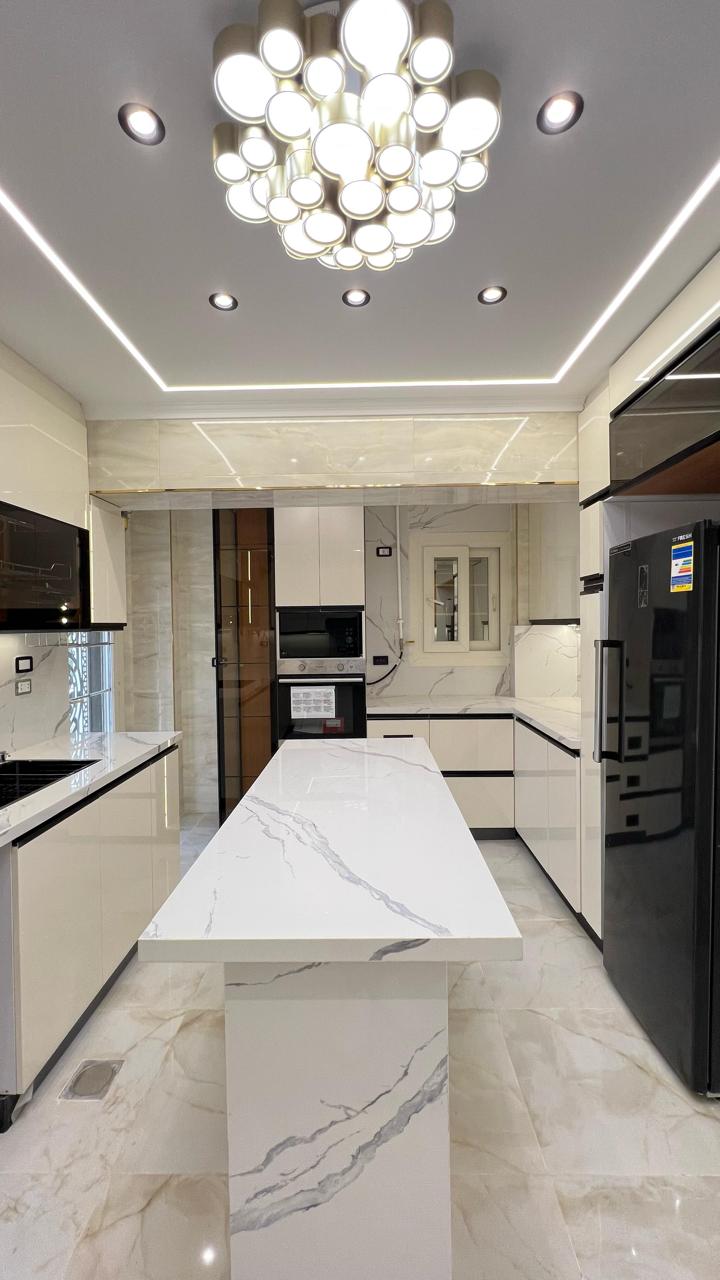
The contract must specify the unit material by its actual name, not a general description — for example a specific aluminum profile with a defined thickness in millimeters, not a phrase like "premium aluminum" or "nice material." It must also state the type of coating or finish — powder coating, acrylic, poly-lac, or HPL depending on your choice — and the unit color by code where possible. It should also state the countertop material and the brand of hinges and drawer runners, since these details make a real difference to the kitchen's lifespan and everyday ease of use. Sizes must be written in centimeters for each unit individually, not one total figure for the whole kitchen, so that if anything differs between what was agreed and what was executed, you have an exact reference to compare against. It also helps to attach an approved drawing or design to the contract as a clear visual reference alongside the written description.
How the Total Price and Payment Schedule Should Be Written
The price in a kitchen contract must be a clear total figure covering both supply and installation, not an approximate or non-binding price. The payment schedule must be spelled out in detail: how much deposit is due at signing, how much is due when supply begins, and how much is the final payment after installation and handover. Kitchen prices vary by material, area, and chosen accessories, and generally range from about 4,000 to 12,000 EGP per running meter depending on the material and finish level — an approximate figure that shifts with the market. Any price increase after signing must have a clear, written reason, such as a change in material or size requested by the homeowner. Avoid any contract that asks you to pay more than half the value as a deposit before you've seen any of the material or manufacturing has actually started.
Delivery and Installation Dates, and What Happens If They're Late
The contract must state a manufacturing start date and an expected installation date clearly, not a vague phrase like "within a month" without an exact date. If a delay occurs past the agreed date for a reason on the workshop's side, the contract should include a clause stating what happens in that case — such as a percentage discount on the price or an additional grace period agreed by both parties in advance. Installation timing matters a lot, especially if you're waiting on a new apartment handover or paying daily rent, so a written contract is what actually protects you from unjustified delays and excuses that don't hold up.
Warranty in the Kitchen Contract: Duration and What It Does and Doesn't Cover
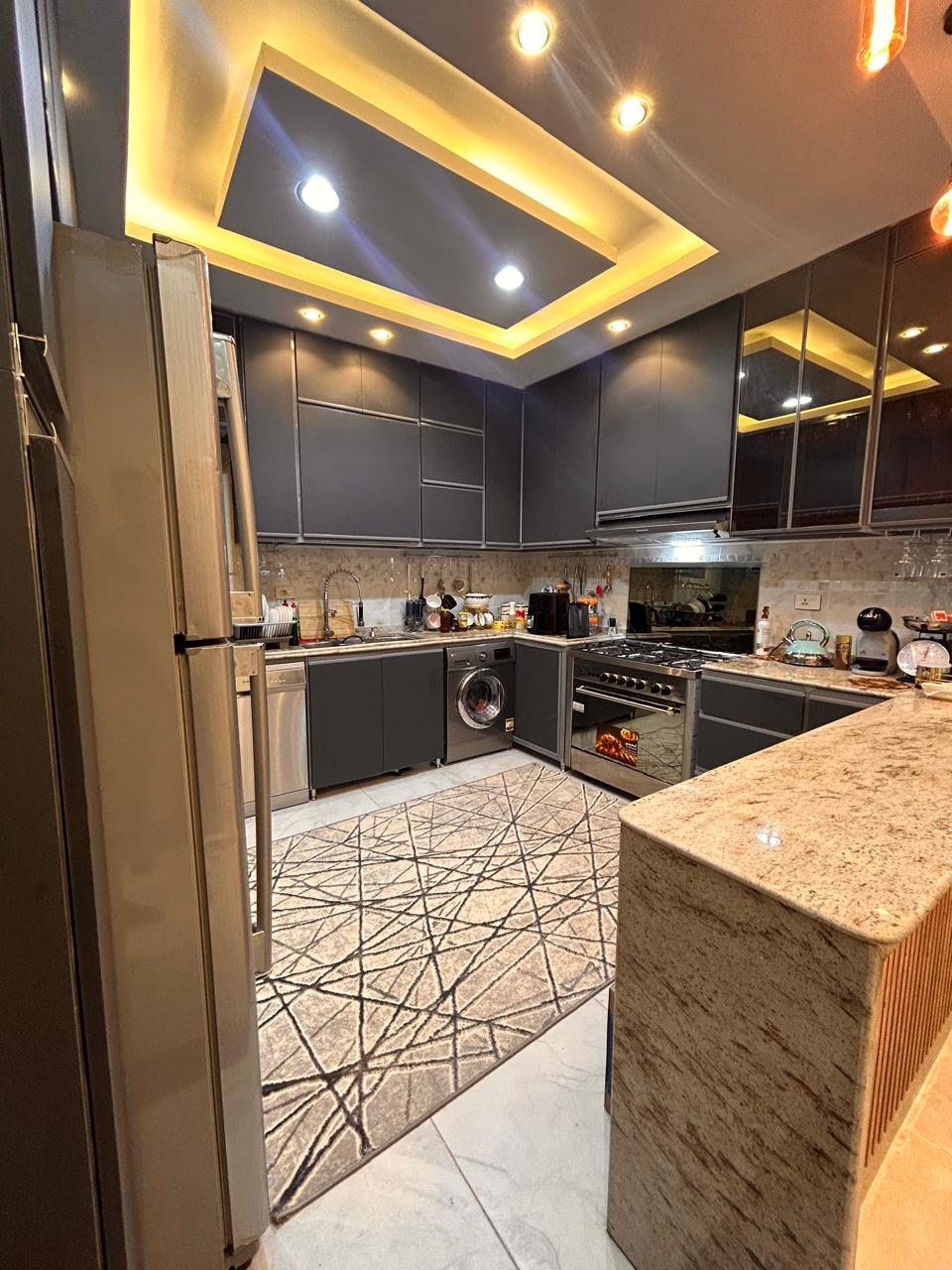
The contract must clearly state the warranty period, in a specific number, for both the units and the installation, and exactly what the warranty covers — manufacturing defects, hinge problems, paint defects, or installation issues such as unlevel units. It should also state what is not covered, such as misuse or cleaning with materials unsuitable for the finish. A warranty without written details is just talk, and when a problem shows up later you'll find nothing obligates the workshop to actually fix it. Also ask whether the warranty covers a technician visiting your home to inspect the issue, or whether you're expected to bring the piece to the workshop yourself. If you'd like to know when doors and kitchen cabinets actually need replacing or repair after years of normal use, that's covered in detail in our article on when doors and windows should be replaced.
Warning Signs in a Kitchen Contract to Watch for Before You Sign
Before signing any contract, review it carefully and check whether any of the important clauses are missing or vaguely worded. The table below sums up the difference between a safe kitchen contract and one you need to review and ask to amend before the final signature.
| Item | In a Safe Contract | Warning Sign |
|---|---|---|
| Material | Specific name and type in detail | Vague description like "premium material" |
| Sizes | Each unit's size written in centimeters | Just one rough total size for the whole kitchen |
| Price | Clear total figure and payment schedule | A preliminary price that can change without reason |
| Timeline | Exact delivery and installation date | Phrases like "soon" with no real date |
| Warranty | Duration and coverage written clearly | A verbal warranty promise with no written details |
If a workshop refuses to put any of these clauses in writing, or tells you "don't worry, we'll take care of it," that alone is a sign to reconsider before moving forward. A professional company with real experience, like Kitchen Munir, which has been fitting and installing kitchens from its base in Sadat City for over thirty years, is used to writing all these details as a normal part of how it works, not as an extra hassle. You can browse examples of the different kitchen designs we build, or reach us directly through our contact page for any question before you make your final decision.
Frequently Asked Questions About the Kitchen Contract
Can I let manufacturing start without a written contract?
No, and that's one of the most common mistakes that causes problems later. Without a written contract, there's no reference to fall back on if the material, size, or timing turns out different, and you'll have to rely only on verbal statements that are hard to prove. Even with a well-known, trusted workshop, ask for a written contract covering every detail before any payment.
Who should sign the contract?
The homeowner or the person responsible for the purchase should sign personally, and on the workshop's side the person officially responsible for the company, or the owner, should sign — not a sales employee without an official capacity. If possible, also get the company stamp on the contract as extra assurance.
Can the contract be amended after signing?
Any change after signing should be written as a formal addendum to the original contract and signed by both parties, not just agreed verbally or over WhatsApp. The addendum should clearly state exactly what changed — whether in price, material, or timeline — so the whole contract stays documented and consistent.
What's the most important clause to check before paying the deposit?
The most important items are the material and size details along with the total price and payment schedule, since these cause the most disputes later. Make sure the material is written by name, not a general description, and that the payment schedule is tied to clear execution stages rather than a large upfront amount with no guarantees.
If you're planning to sign a contract for a new kitchen and want to make sure it protects you from the start, contact us and we'll prepare a clear contract covering every detail before you pay any deposit. Call us at 01005778326 on WhatsApp and book a free visit to your home with no obligation. The prices mentioned in this article were last checked in August 2026.