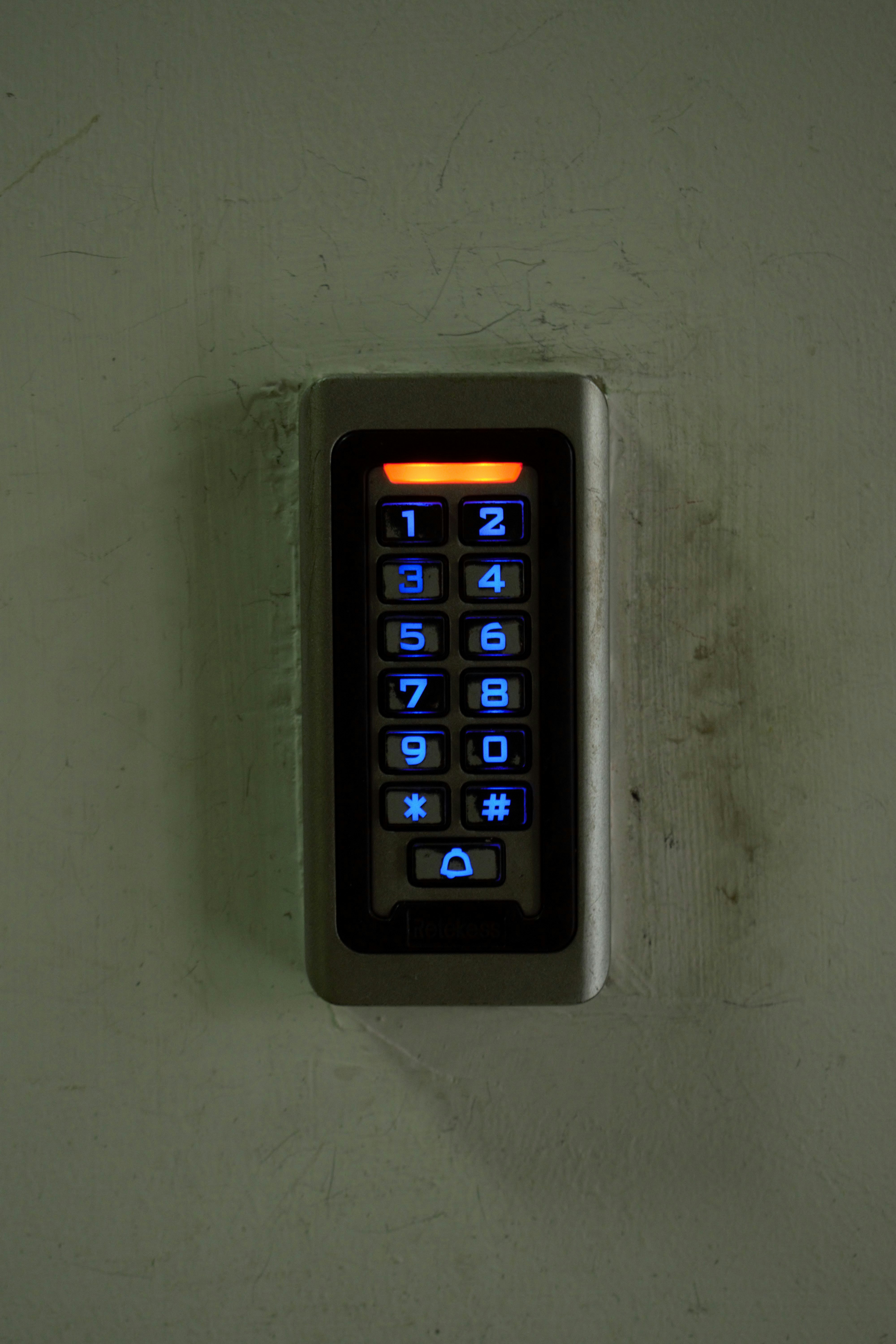
What Is Home Security?
Home security refers to both the physical security hardware and the digital systems used to protect a home from intrusions, theft, fire, and other potential hazards. It includes components like security cameras, motion sensors, door/window sensors, smart locks, and alarm systems.
Why Home Security Matters in 2025
With the rise of smart homes and the increased threat of cyber-attacks and home invasions, securing your home is more important than ever. According to the FBI’s latest crime data, a burglary happens every 25.7 seconds in the U.S. Modern criminals are more tech-savvy, making smart security essential.
Benefits of a Home Security System:
-
Deters burglars and intruders
-
Alerts authorities in case of emergencies
-
Allows remote monitoring
-
Reduces homeowners’ insurance premiums
-
Provides peace of mind
Types of Home Security Systems
There are several types of home security systems available:
1. Monitored Security Systems
-
24/7 monitoring by a professional company
-
Emergency services notified automatically
-
Monthly fee required
2. Unmonitored Systems
-
Alarm sounds when triggered
-
Relies on neighbors or occupants to notify authorities
3. Wireless Security Systems
-
Easy to install and move
-
Communicates through Wi-Fi or cellular
-
May be vulnerable to jamming without encryption
4. Wired Security Systems
-
Requires professional installation
-
More reliable, but less flexible
5. DIY Security Systems
-
Affordable
-
Customizable
-
Great for renters
Top Features to Look For in a Home Security System
-
24/7 Professional Monitoring
-
Smartphone App Control
-
HD Security Cameras (Indoor/Outdoor)
-
Motion Detectors
-
Smart Doorbells
-
Glass Break Sensors
-
Smoke, Fire, and Carbon Monoxide Detectors
-
Two-Way Audio
-
Night Vision
-
Cloud Storage or Local Backup
Best Home Security Brands in 2025
These brands are leading the home security market:
-
SimpliSafe – Best for budget and DIY
-
ADT – Industry leader in professional monitoring
-
Ring – Excellent smart doorbells and camera systems
-
Vivint – Best for smart home integration
-
Abode – Flexible plans with no contracts
-
Frontpoint – Great customer service and customizability
DIY vs. Professional Installation
DIY Installation:
-
Pros: Lower cost, flexible, no contracts
-
Cons: Time-consuming, potential technical issues
Professional Installation:
-
Pros: Expert setup, system testing, ongoing support
-
Cons: Higher upfront and monthly costs
Choose the best option based on your technical skill, budget, and home layout.
Home Security Tips for Every Homeowner
-
Lock all doors and windows, even when you’re home
-
Install motion-sensor lighting around the perimeter
-
Use smart locks and keyless entry systems
-
Hide valuables out of sight from windows
-
Display security signage to deter burglars
-
Regularly test your system and change passwords
-
Keep landscaping trimmed to remove hiding spots
-
Use timers for lights when you're away
Smart Home Integration & Home Security
In 2025, smart home integration is not a luxury—it's a necessity. Modern systems work seamlessly with:
-
Amazon Alexa / Google Assistant
-
Apple HomeKit
-
IFTTT Automations
-
Smart thermostats
-
Smart lights and plugs
Example: “Alexa, arm my security system” or automatic light activation when motion is detected.