A Guide to Choosing Children's Rooms: Design, Colors, and Suitable Storage
Designing a child’s bedroom is more than just placing furniture—it’s about creating a safe, comfortable, and stimulating environment where children can play, study, and sleep peacefully. Choosing the right room layout, color scheme, and storage options can positively influence your child’s well-being, creativity, and organization skills.
In this comprehensive guide, we’ll cover everything parents need to know about choosing a children’s room, from design principles and color selection to storage solutions and safety considerations.
Why Choosing the Right Children's Room Matters
A thoughtfully designed children’s room supports healthy development and daily routines. A poorly planned room can lead to clutter, distractions, and discomfort, whereas a well-organized space encourages learning, creativity, and rest.
Key Benefits:
-
Promotes better sleep and relaxation
-
Encourages organized habits
-
Stimulates creativity and learning
-
Ensures safety and comfort
-
Adapts to growing children
1. Measure and Plan the Room Layout
Before purchasing furniture, measure the room and plan the layout carefully.
Considerations:
-
Room dimensions (length, width, and height)
-
Window and door placement
-
Space for study, play, and sleep areas
-
Room for future growth
Tip: Leave at least 60–80 cm of walking space around the bed and play areas for comfort and safety.
2. Choose Age-Appropriate Furniture
Furniture should match the child’s age and needs.
Key Furniture Types:
-
Cribs and toddler beds: For infants and toddlers
-
Single beds: For young children
-
Bunk beds or loft beds: For siblings sharing a room or maximizing space
-
Desks and chairs: Adjustable for studying and creative activities
Safety Tip: Choose furniture with rounded edges, non-toxic finishes, and secure assembly.
3. Focus on Colors and Themes
Color and theme influence mood and creativity.
Color Tips:
-
Bright colors (yellow, orange, turquoise) stimulate energy and playfulness
-
Soft pastel tones (light blue, lavender, pale green) promote calm and relaxation
-
Neutral colors (white, beige, gray) allow flexibility in changing decor
-
Consider theme-based rooms (space, animals, superheroes) for personalized fun
SEO Tip: Use keywords like “children’s room colors” and “kids’ room design” for higher search visibility.
4. Prioritize Suitable Storage Solutions
Storage is essential to keep toys, books, and clothes organized.
Storage Ideas:
-
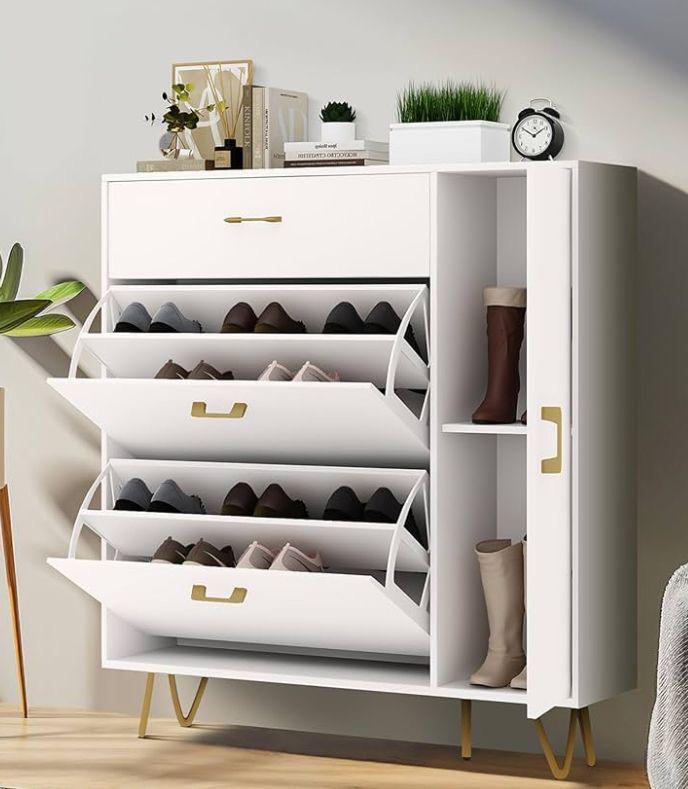
Built-in wardrobes for clothes and personal items
-
Shelves and cubbies for books and toys
-
Under-bed storage drawers to save space
-
Toy boxes or bins for easy cleanup
Tip: Use colorful and accessible storage to encourage children to tidy up independently.
5. Design for Functionality and Flexibility
A children’s room should adapt as your child grows.
Functional Features:
-
Modular furniture for easy rearrangement
-
Study area that can evolve from a toddler desk to a school desk
-
Multi-purpose furniture (beds with desks or storage)
-
Space for creative activities like drawing or crafts
6. Safety Considerations
Safety is a top priority in children’s rooms.
-
Secure heavy furniture to walls
-
Use non-slip rugs and soft flooring
-
Avoid small parts and choking hazards
-
Ensure windows have childproof locks
-
Choose hypoallergenic and easy-to-clean materials
7. Lighting and Ventilation
Proper lighting and air circulation are essential.
-
Use soft, indirect lighting for bedtime
-
Add task lighting for reading and homework
-
Ensure natural light during the day
-
Maintain good ventilation to prevent mold and maintain air quality
8. Add Personal Touches
A child’s room should reflect their personality and interests.
-
Wall decals, posters, or art they love
-
Personalized bedding or cushions
-
Favorite toys and books as part of the room decor
This creates a space where the child feels safe, happy, and engaged.
9. Budget and Quality
Choose furniture and decorations that balance durability and budget.
-
Invest in long-lasting furniture
-
Prioritize quality over trendy items
-
Plan decor updates as the child grows rather than frequent full replacements
10. Avoid Common Mistakes
-
Overcrowding the room with furniture
-
Choosing colors or themes the child may outgrow quickly
-
Ignoring storage needs
-
Using unsafe or poorly constructed furniture
Following these tips ensures a room that is safe, functional, and enjoyable for years.
Final Thoughts
Choosing the right children’s room involves thoughtful planning and attention to details like furniture, color, storage, and safety. A well-designed room fosters creativity, organization, and comfort, while adapting to the child’s growth and changing needs.